Home · Services · Smoke Odor Removal
Smoke Odor Removal in Portland, ME
Quick answer
In Portland, the smoke Odor Removal scope follows the evidence: winter heating plant events, shared stair smoke travel, and chimney fire soot paths drive the call pattern, and the stock it serves is peninsula historic homes, in town multifamily stock, and mainland postwar homes. Diagnosis first, then a written scope, then work: that order does not change by neighborhood.
In Portland, smoke Odor Removal is read against the stock it serves: historic brick and frame homes on the peninsula, triple decker and multifamily stock in the in town sections, postwar homes across the mainland neighborhoods, and seasonal homes toward the island ferries. With cold snowy winters, cool summers, and coastal storm seasons on the bay, the local order of work is set before price, and the written scope names that order.
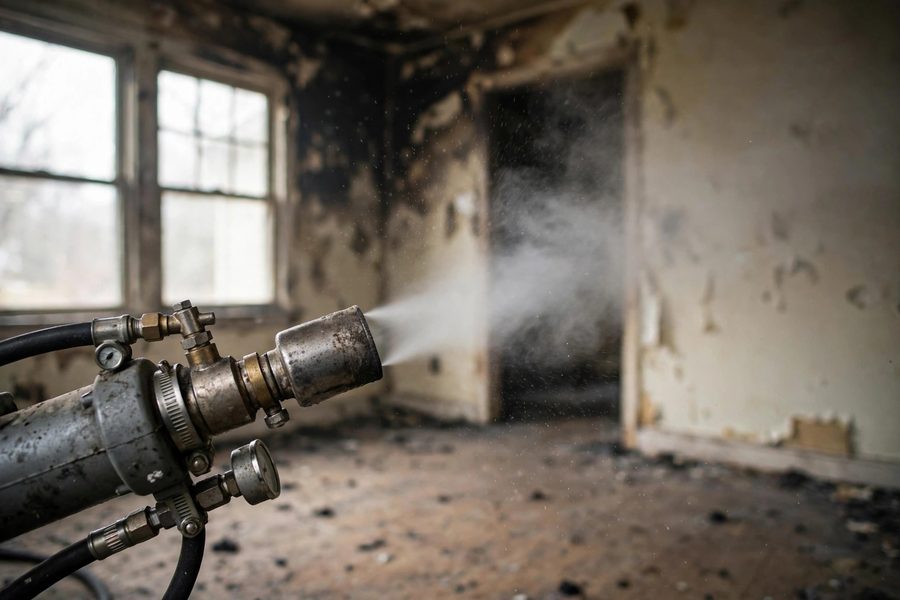
How we approach this job
Diagnosis and insurance documentation: For smoke odor removal in Portland, the buying situation is a problem with a cause: find the real source, document it with photographs and readings for any claim, and only then price the fix.
Signs you need smoke odor removal
- Clothes and soft furniture smell of smoke weeks later. It usually means soft contents hold odor longest and need their own treatment stream, not just airing.
- The smell survives open windows and ordinary cleaning. It usually means odor lives in sources, ducts, soft goods, structure, and each needs its own verdict.
- Odor is stronger on warm days or when the heat runs. It usually means a warm closed-house test is the honest standard, not a ventilated walkthrough.
- Guests notice the smell when you no longer can. It usually means sealing over an unremoved source rents the smell back.
What the job involves
What affects the price
- Where the odor source sits: surface film versus inside wall cavities and ducts
- How much porous material (carpet, pad, upholstery, drapes) holds odor
- Whether sealing primer is needed on walls and ceilings
- Size of the home and number of rooms treated
- Whether contents need separate cleaning and storage
When it is an emergency
Odor is not an emergency, but it is the complaint that brings most fire clients back a month later, so it pays to scope it with the first assessment rather than after everything else is done. Masking sprays and scented products do not remove smoke odor; they layer over it for a few days.
PLACEHOLDERSmoke Odor Removal across the Portland area
Related services
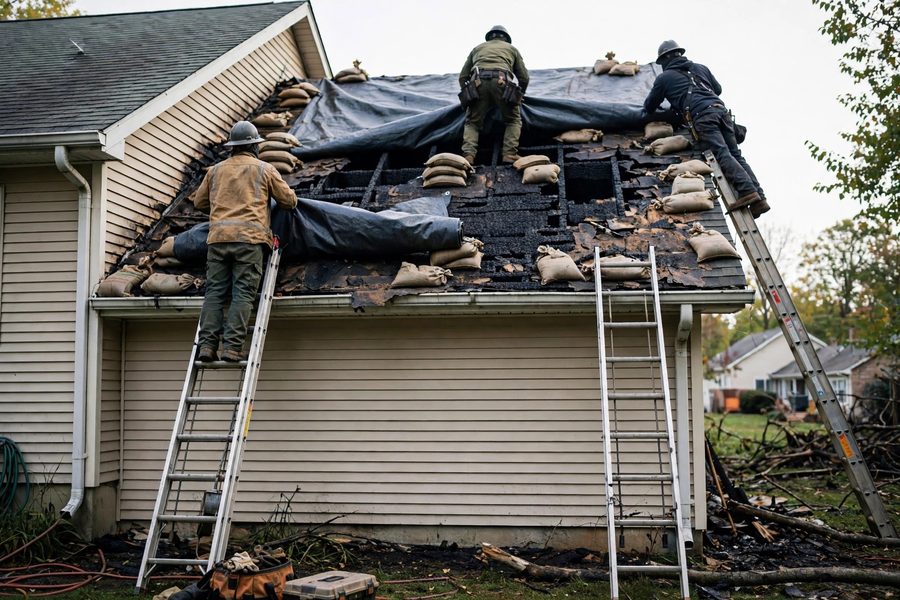
Emergency Board Up and Tarping
The Portland read on emergency Board Up and Tarping runs through the local stock first: historic brick and frame homes on the peninsula, triple decker and multifamily stock in the in town sections, postwar homes across the mainland neighborhoods, and seasonal homes toward the island ferries. With cold snowy winters, cool summers, and coastal storm seasons on the bay, the order of work is set before price, and the written scope names that order.
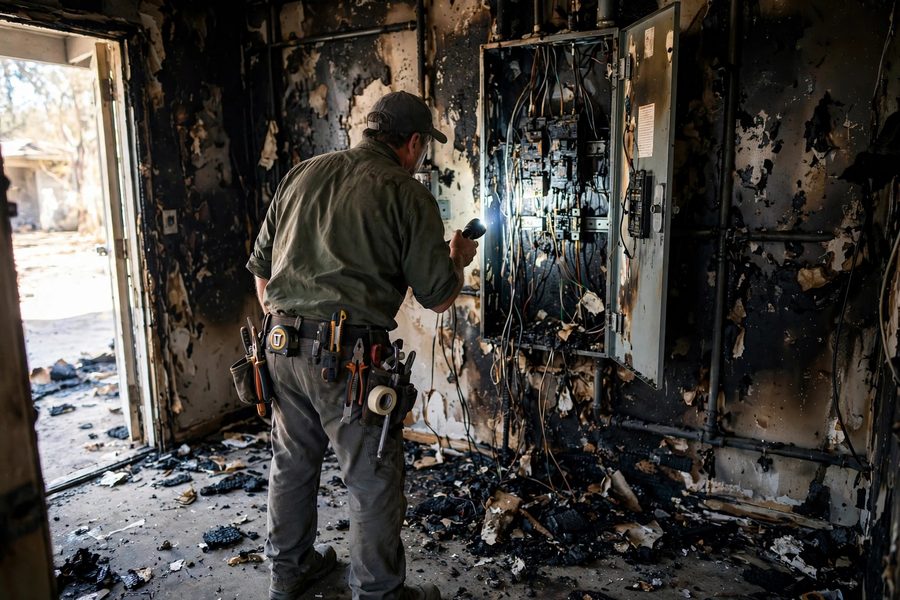
Commercial Fire Damage
For In Town Sections homes, commercial Fire Damage is priced from the pattern this city keeps repeating: winter heating plants in the peninsula historic stock run for months and flue events follow, kitchen fires in the triple deckers send smoke through shared stairs and halls, and chimney fires in the mainland postwar homes carry soot through the duct runs before the trucks arrive. Fore River sets the conditions, and the scope names them in writing before work starts.
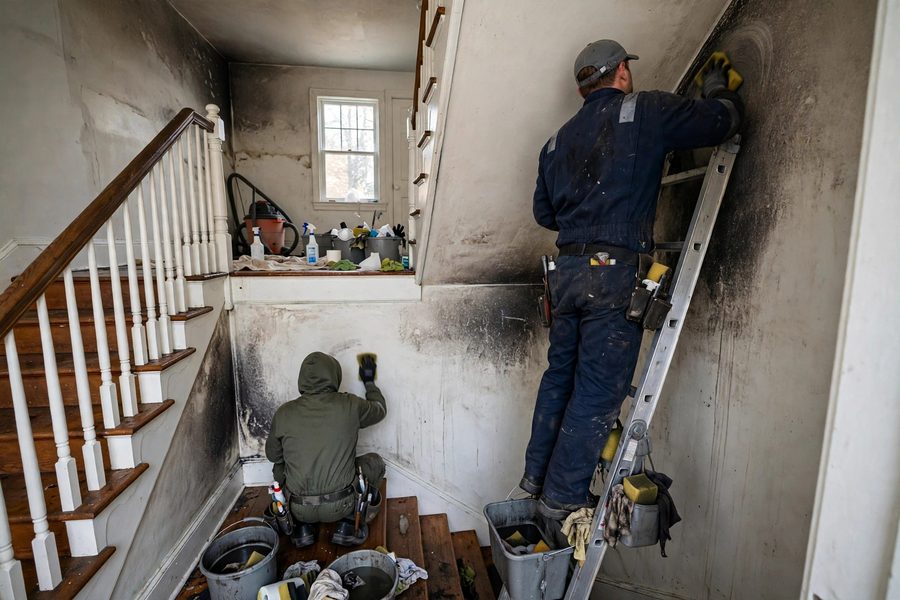
Furnace Puff Back Cleanup
In Portland, the furnace Puff Back Cleanup scope follows the evidence: winter heating plant events, shared stair smoke travel, and chimney fire soot paths drive the call pattern, and the stock it serves is peninsula historic homes, in town multifamily stock, and mainland postwar homes. Diagnosis first, then a written scope, then work: that order does not change by neighborhood.
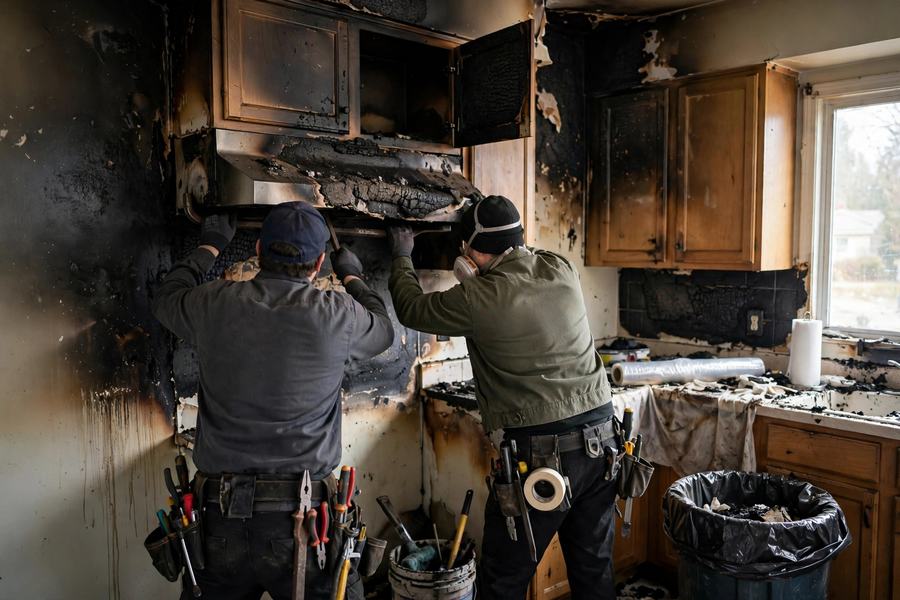
Kitchen Fire Cleanup
In Portland, kitchen Fire Cleanup is scoped from the documented read, not a phone guess: winter heating plants in the peninsula historic stock run for months and flue events follow, kitchen fires in the triple deckers send smoke through shared stairs and halls, and chimney fires in the mainland postwar homes carry soot through the duct runs before the trucks arrive. Around Peninsula Sections, the written scope names the order of work for peninsula historic homes, in town multifamily stock, and mainland postwar homes before anyone commits to a price.
Smoke Odor Removal questions, answered
When is smoke odor removal an emergency?
Odor is not an emergency, but it is the complaint that brings most fire clients back a month later, so it pays to scope it with the first assessment rather than after everything else is done. Masking sprays and scented products do not remove smoke odor; they layer over it for a few days.
What affects the price of smoke odor removal in Portland?
The main price factors for smoke odor removal are covered in the cost section above. The contractor confirms the exact price in a written estimate after seeing the job, and nothing is owed until you approve it. The call and the referral are free.
How much does fire damage restoration cost?
Published national figures from Angi (2026) put most homeowners' fire restoration between about $3,100 and about $52,000, with an average near $27,500 and cleanup priced around $4 to $7 per square foot. A minor kitchen smoke cleanup can start under $1,000, while a structural fire runs far past the top of that range. What decides your number is how many rooms burned versus smoked, whether structure is damaged, and how much firefighting water has to come out. Anyone quoting a firm total by phone is guessing; the honest sequence is an in person assessment and a written scope.
What should I do first after a house fire in Portland?
Safety first, always: do not re-enter until the fire department says the structure is safe. Then, in order: call your insurer to open the claim, arrange board up for any broken windows, doors, or roof damage so the home is secure that night, and do not wipe soot, wash walls, or run the heating and air system, because all three spread the damage. Photograph everything before anything is moved or thrown away, and keep receipts for any emergency spending.
Can I stay in my home after a fire?
If the fire department or your insurer's assessment says the home is unsafe or uninhabitable, no, and loss of use coverage may pay for a hotel or rental in the meantime. For a contained fire (a kitchen fire with smoke through the house, for example) staying is sometimes possible after the assessment, but smoke residue is a respiratory irritant, the HVAC should stay off until ducts are checked, and children, older adults, and anyone with asthma should be cautious. Ask the question directly at the assessment and get the answer in the scope notes.
Request a callback
Prefer to talk later? Leave your details and an independent local pro will call you back. No charge to you, no obligation.
Fore River Fire Restoration is a free referral service. Submitting this form connects you with independent local contractors who provide the work.